Scale at Speed™




 English (Global)
 French (Canada)

Overview
Modern-day shoppers expect seamless shopping experiences, faster checkouts, and personalized recommendations. For retailers, however, inefficiencies such as the inability to accurately forecast demand, lack of real-time availability of inventory and visibility into store operations add friction to the shopping experience. This report by Coresight Research, developed in partnership with Tech Mahindra, examines how these challenges present a unique opportunity for retailers to modernize their stores.
The research concludes retailers can benefit from advanced technologies but also points out that successful tech implementation depends on strategic prioritization of business needs. The time for building the Store of the Future is now, and retailers must move with purpose to effectively overcome the challenges and optimize operations across their entire store fleet.
This report is based on a global survey of 360 retail business decision makers conducted by Coresight Research.
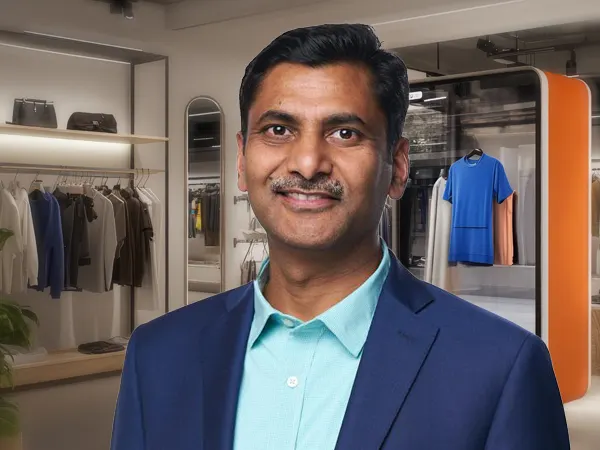
Decoding the Next Phase of Retail with Sampath Saagi
Watch the video to hear from Sampath Saagi, SVP and Group Head, Tech Mahindra, on retail’s big shift.
What is ‘Store of the Future’?
We define the Store of the Future as a future-ready retail environment that leverages technology and integrates data across business functions and channels. The aim is to deliver seamless, personalized shopper experiences while simultaneously optimizing store operations and employee performance. The ultimate goal is to unlock performance through innovation.
The four core pillars
Unified Commerce
- Keeping customers at the core
- Enabling a single, centralized platform
- Creating a holistic view of shopper interactions
- Ensuring consistency in customer experiences
Superior Shopping EX
- Driving sales with in-store personalization
- Improving store operations
- Fostering customer loyalty and lifetime value
Enhanced Store Productivity
- Optimizing staffing levels and store associate enablement
- Maximizing revenues per associate and sales per sq. foot
- Investing in store intelligence technologies
Staff Efficiency
- Setting measurable, achievable SLAs
- Leveraging tech to improve CX and retailer efficiency
The Growing Global Store Intelligence Technologies Market
Building stores of the future requires retailers to invest in store intelligence technologies. The growing need for unifying retail operations—also one of the pillars of the store of the future—requires retailers to view stores as key nodes in the tech-driven retail infrastructure versus standalone endpoints.
The global store intelligence technologies market totals $8.4 billion in 2025 and will grow at a CAGR (compound annual growth rate) of 11% to $12.6 billion in 2029.
Source: Coresight Research
Base: 360 retailers globally, surveyed in April 2025
Source: Coresight Research
Ineffective store management is costly
Big bets made on enhancing store operations
The ongoing nature and scale of industry challenges combined with the significant opportunity at stake have driven increased investments in technology to optimize store operations. According to our survey, 92% actively invest in solutions to optimize store operations across the four pillars of the store of the future.
The key thing for us is around freeing up time for our teams—taking away the menial day to day tasks to allow them to spend more time with our customers. If the shop is actively operating at the most efficient level, then the teams can focus on delivering an amazing customer experience.

Amanda Hamilton
CIO of Pret a Manger
We believe the future of retail lies in creating spaces that are not only technologically advanced but emotionally resonant. The ‘Stores of the Future’ vision aligns with our commitment to timeless design—where elegance meets innovation. By integrating AI, smart environments, and experiential architecture, we can transform stores into destinations that inspire loyalty, elevate brand identity, and deliver meaningful human experiences.

Silvio Angori
Vice Chairman and CEO Pininfarina S.p.A.
Shopper experience is definitely one of our top priorities. 80% of our revenue comes from people walking into the store. The fit of the technology is paramount. Strategic mindset and execution capability are second, and third would be the transparency and partner mindset when coming to the table.
VP at Kroger
The core purpose of modernizing store technology is to harmonize business outcomes—such as revenue growth and margin improvement—with exceptional customer experiences. Since these goals can conflict, technology becomes the enabler that unifies them.

Sandeep Sharma
Global Head of Retail and CPG at Tech Mahindra
Multiple technologies to power ‘Store of the Future’
Our survey data reveal that 57% of retailers are currently investing in advanced data analytics solutions—the highest level across all technologies, although it ranked third in terms of perceived importance in building stores of the future.
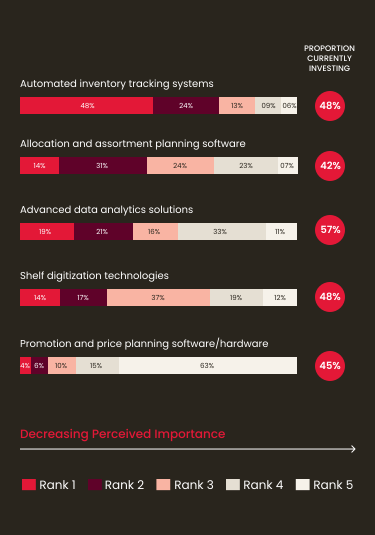
Base: 360 retailers globally, surveyed in April 2025
Source: Coresight Research
Enhancing Shopper Engagement and Store Productivity
Working with Tech Mahindra, a multinational brewing and beverage company implemented digital signage powered by programmatic advertising, analytics and AI across more than 3,000 retail stores.
The Time for Building
Store of the Future is Now
To unlock performance, retailers must not wait to introduce advanced store intelligence technologies across their operations. However, they must also understand that successful tech implementation will only occur when they draw up a strategic blueprint that correctly identifies their unique deterrents and barriers.
Implications to consider
Excelling at store-of-the-future initiatives requires retailers to focus on investing in technology solutions such as IoT (Internet of Things), CV and RFID (radio-frequency identification) with a twin goal of reducing shopper friction and increasing operational efficiency.
Prioritizing technology investments based on the areas that retailers are challenged in is critical for determining success. In addition to prioritizing, brands and retailers must move quickly to adopt scalable, integrated technologies that align with short- and long-term business goals due to the pressing challenges as the window for gaining an early competitive advantage narrows.
Brands or retailers that defer their investments or take a siloed approach to investment may struggle to fully realize the ROI potential of advanced technologies.
Ensuring tech integration with existing infrastructure and scalability in the future can help retailers avoid being stuck in debt.